The Pros and Cons to Japanese Imports!
After a 6 month wait, our first major complication with
the importation of Japanese imports is finally resolved.
We bought 19 cars between late August and early September
and major delays caused by the shipping line meant that those cars, half of
which were meant to land in November, did not reach us until half way through
February.
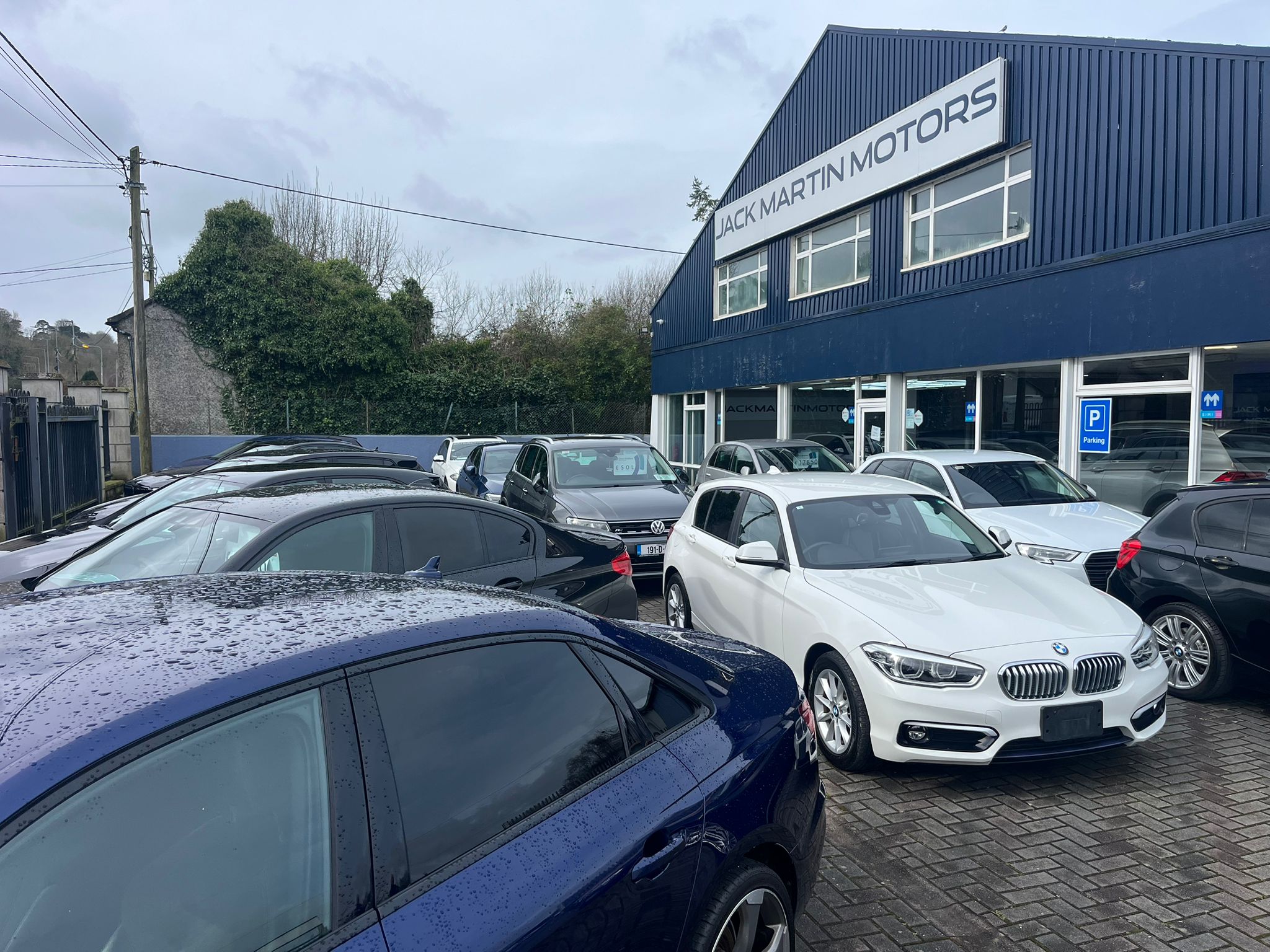
On the vessel were a mix of BMW 1 series, 3 series, 5
series, Audi A3s, Volkswagen Golf’s including a beautiful 2018 GTI and
Volkswagen Polo’s.
Week after week, month after month, we received emails
from the shipping company reporting delays with no explanation.
The cars were shipped via RORO (roll on roll off) meaning
that they were not in containers. This method makes it easier for shipping
companies to dump small independent dealers' cars at random ports throughout the
world in order to create space for the big manufacturers' cars.
Going forward we will be sticking to container only as
the chances of this kind of thing happening with this method are far less.
In any industry some companies are better to deal with
than others and shipping is no different, we will learn from this lesson and be
sure not to use the same company again.
The point of this article is to discuss the pros and cons
of Japanese imports for the Irish market for both retailer and consumer. The
ordeal we have just had illustrates the main risk for Irish retailers with that
three month delay costing us a conservatively estimated €720,000 in turnover
for the quarter. For a small dealership who is only aiming to retail between 4
and 5 million for the year, that is a huge blow.
Cashflow and turnover aside, another obvious risk is
trying to judge demand for 3-6 months down the line. For even a small
dealership like us who has hundreds of thousands tied up in Japan at any one
time there is a massive risk, but for larger scale operators who may be selling
a couple hundred cars a month, with the monster over heads that come with that, the risk is far greater.
If the economy slows down like we saw in the last
recession, you still have your over heads, you still have to pay customs, shipping
etc for the cars to be released at the port, it’s not small money and if you
have a blast of cars due in but haven’t been selling cars for the last 2 or 3
months, that is going to lead to disaster.
The pros of course are that when the cars do land they are
super clean, low mileage and for the most part, trouble free compared to a lot
of what’s on the Irish used market.
That’s good for the seller for obvious reasons but great
for the buyer because they are getting a good quality low mileage car in a price
point that the Irish market would otherwise be seriously lacking.
The fact that the cars are so low mileage also means
value is somewhat protected in the future and trade in valuations will be
reasonable, even if the buyer is doing relatively high mileage.



 Stock Alerts
 Shortlist
 052-617 0683
